My Best Friend Listed Me as Her Surgery Caregiver—Before She Ever Asked If I Could Help

PART 1
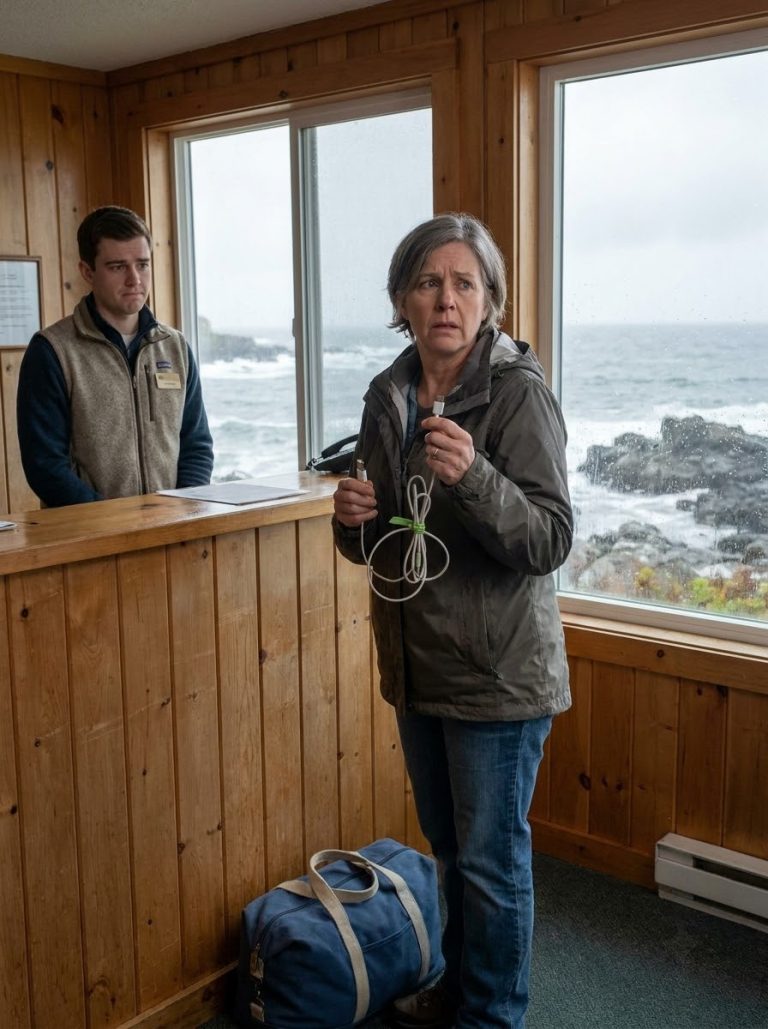
The surgical center called me on a Tuesday morning to ask what time I planned to arrive for Sandra’s discharge.
I was standing in the municipal facilities office with a floor plan spread across my desk and a contractor waiting for me to decide whether a conference-room wall could move three feet without turning a sprinkler revision into a month of meetings.
“Michelle Grant?” the woman on the phone asked.
“Yes.”
“I’m calling from Harbor Ridge Outpatient Center about Sandra Collins’s procedure on the twenty-fourth. You’re listed as her responsible adult for discharge.”
I looked at the ceiling.
“I’m listed as what?”
There was a pause.
“Her responsible adult. Driver home after anesthesia and first-night support.”
The contractor across from me stopped pretending not to listen.
“I think there’s been a mistake,” I said. “Sandra is my friend, but nobody asked me to do that.”
The woman’s voice changed immediately. Less checklist, more human.
“Okay. Then I’m glad I reached you. I can’t discuss her medical information beyond what she authorized, but I do need the discharge contact to be someone who has agreed.”
“That would be a useful standard.”
She laughed softly.
“I agree.”
I stepped into the hallway.
Sandra was fifty-nine and had been my closest friend for almost eighteen years. We met when our daughters were in middle-school orchestra, survived two divorces between us, three job changes, a disastrous beach rental with no air-conditioning, and more dinners made from hummus than either of us would admit.
I knew she was having outpatient shoulder surgery.
I knew the date.
I knew her adult son Andrew had offered to come from Philadelphia.
What I did not know was that Sandra had built me into the plan.
“What exactly am I listed for?” I asked.
The coordinator kept it narrow.
“Transportation home and confirmation that an adult will be with her after discharge according to our center’s instructions. If that isn’t you, Sandra needs to update the contact before the pre-op deadline.”
“I understand.”
I wrote the deadline on the back of a meeting agenda.
October 17.
One week.
“Thank you for calling me directly.”
When I returned to my office, the contractor said, “Everything okay?”
“Apparently I’m recovering from surgery next Thursday.”
He stared at me.
“Not my surgery.”
“That did not help.”
I laughed because otherwise I might have been angry too soon.
At fifty-eight, I had become good at being the person who could make things work. I coordinated renovation schedules for public buildings. I knew which inspector needed forty-eight hours’ notice, which elevator company answered after three calls, and which maintenance supervisor would drive across town with the right key because I asked nicely.
My children were grown. I lived alone. I worked from home two days a week.
People saw flexibility.
I usually saw usefulness.
The distinction had never bothered me much.
Until then.
I texted Sandra.
Call me when you can. Harbor Ridge just called to confirm I’m your discharge driver and overnight person.
Three dots appeared immediately.
Then disappeared.
Then appeared again.
Oh good, they reached you. I was going to ask tonight.
I read the sentence twice.
You were going to ask after you gave them my name?
She called instead of answering.
“Okay,” she said before hello. “I know how that looks.”
“How does it look?”
“Like I got ahead of myself.”
“That is one phrase for it.”
“It’s one ride, Michelle.”
“The center said ride and first-night support.”
“They make everything sound dramatic.”
“I’m not discussing their policy. I’m discussing me.”
Sandra sighed.
“I was going to ask.”
“When?”
“Tonight.”
“After the form was already submitted.”
“I had to put somebody.”
“No. You had to put somebody who agreed.”
Silence.
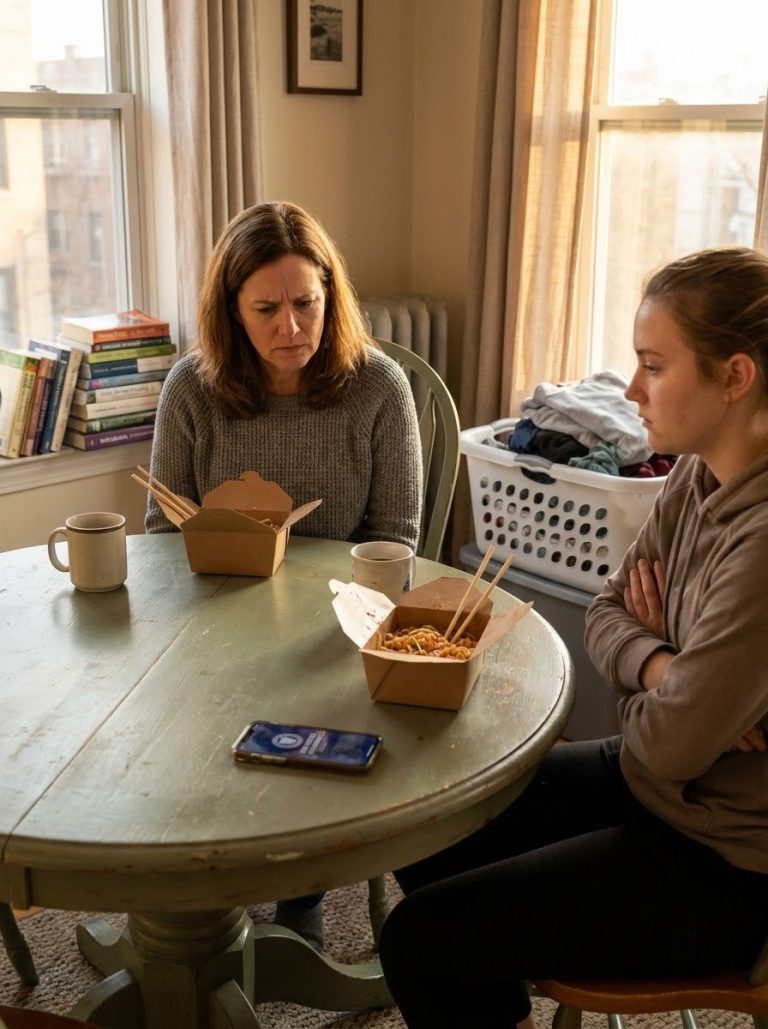
I could picture her kitchen. White cabinets. Green glass bowl by the sink. Recovery instructions already magneted to the refrigerator because Sandra prepared for medical appointments the way other people prepared for weather.
“Andrew can’t come,” she said.
“I thought he offered.”
“He has a work trip.”
“Did he say he couldn’t come?”
Another silence.
“He shouldn’t have to cancel a trip for this.”
That was not the same answer.
I leaned against the hallway wall.
“What are you actually asking me to do?”
“Pick me up. Stay over. Maybe make sure I don’t do anything stupid.”
“For how long?”
“Just overnight.”
“And the next day?”
“I’ll be fine.”
“Do you know that, or are you assigning tomorrow’s version of me to the problem too?”
Sandra exhaled sharply.
“You’re making this sound like a project plan.”
“That is because I just learned I am in the project plan.”
She was quiet.
Then softer: “Can we talk after work?”
“Yes.”
“Are you mad?”
“I’m not sure yet.”
That was true.
What I knew was simpler.
Before I helped Sandra recover from anything, I needed to find out what she had already promised on my behalf.