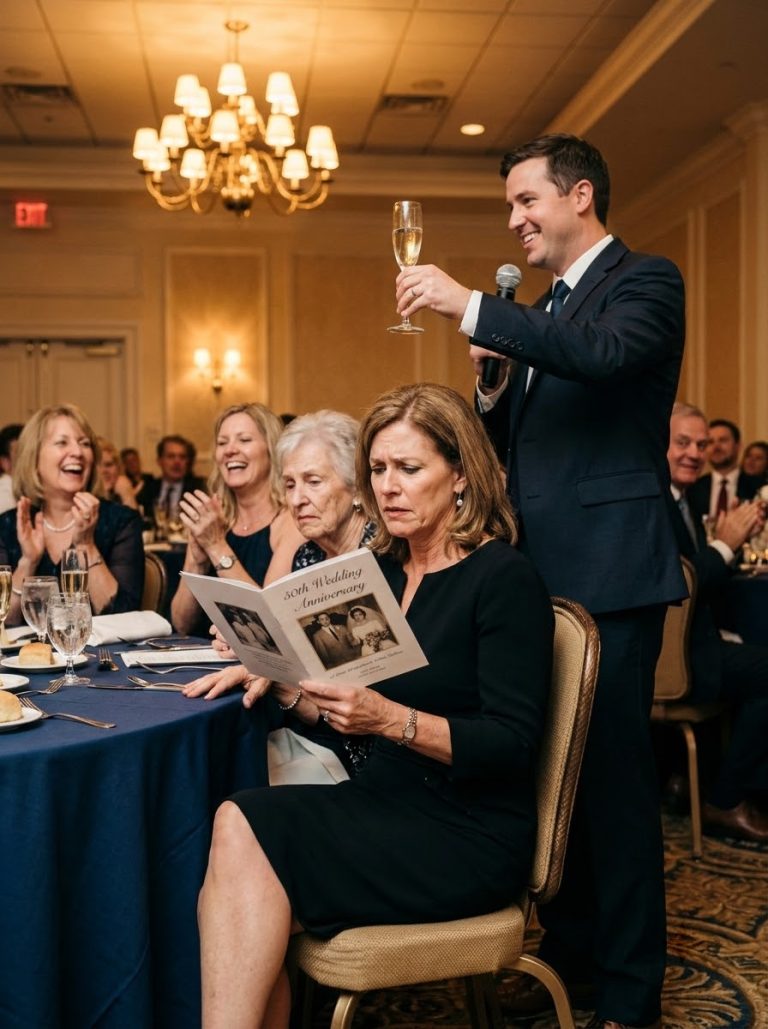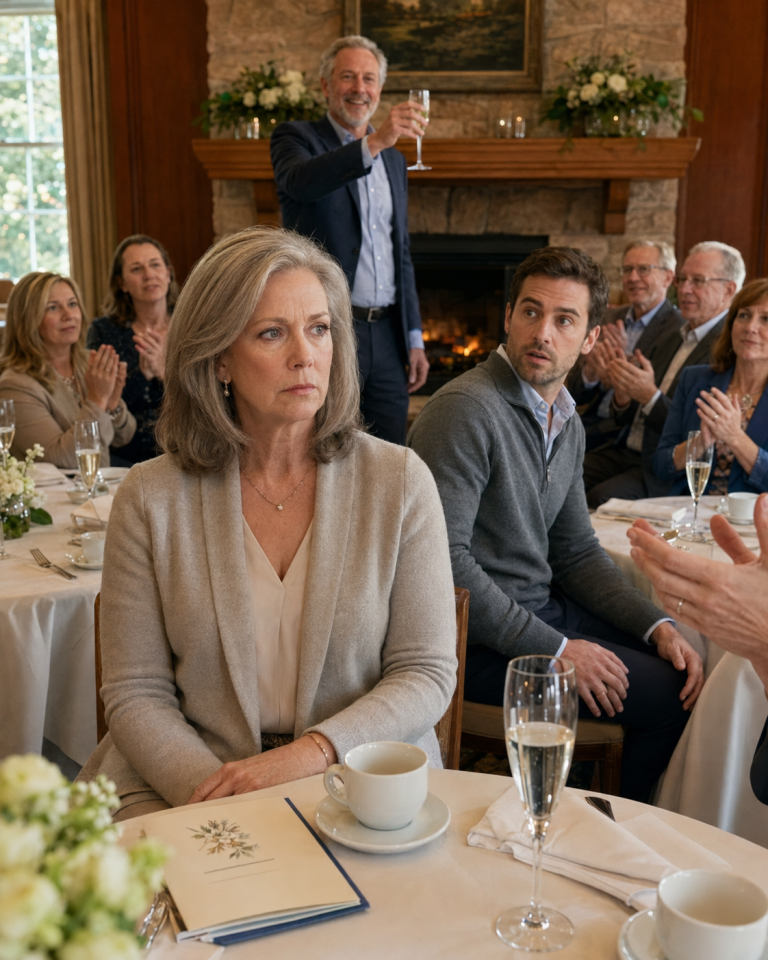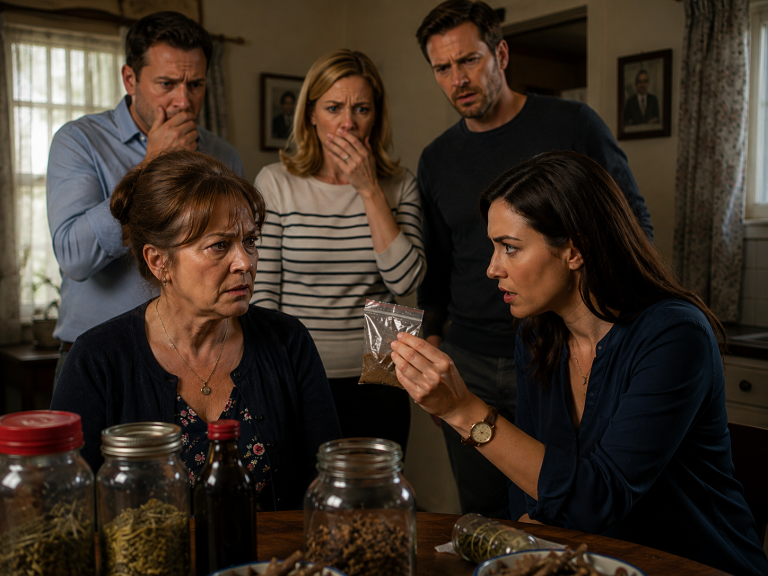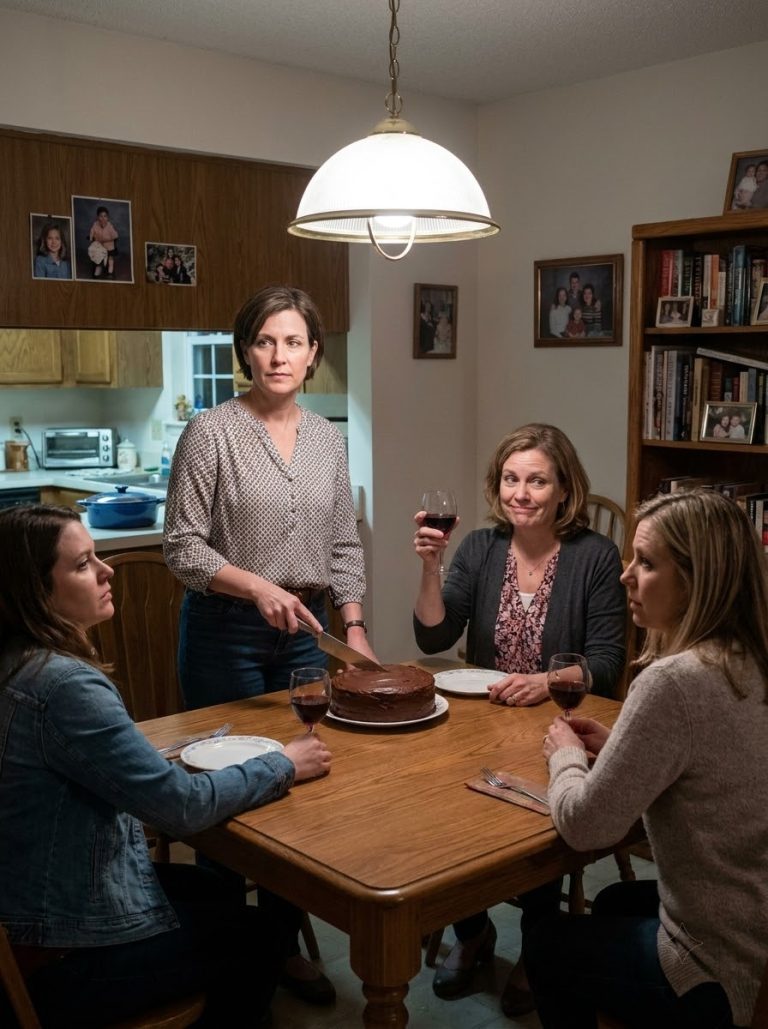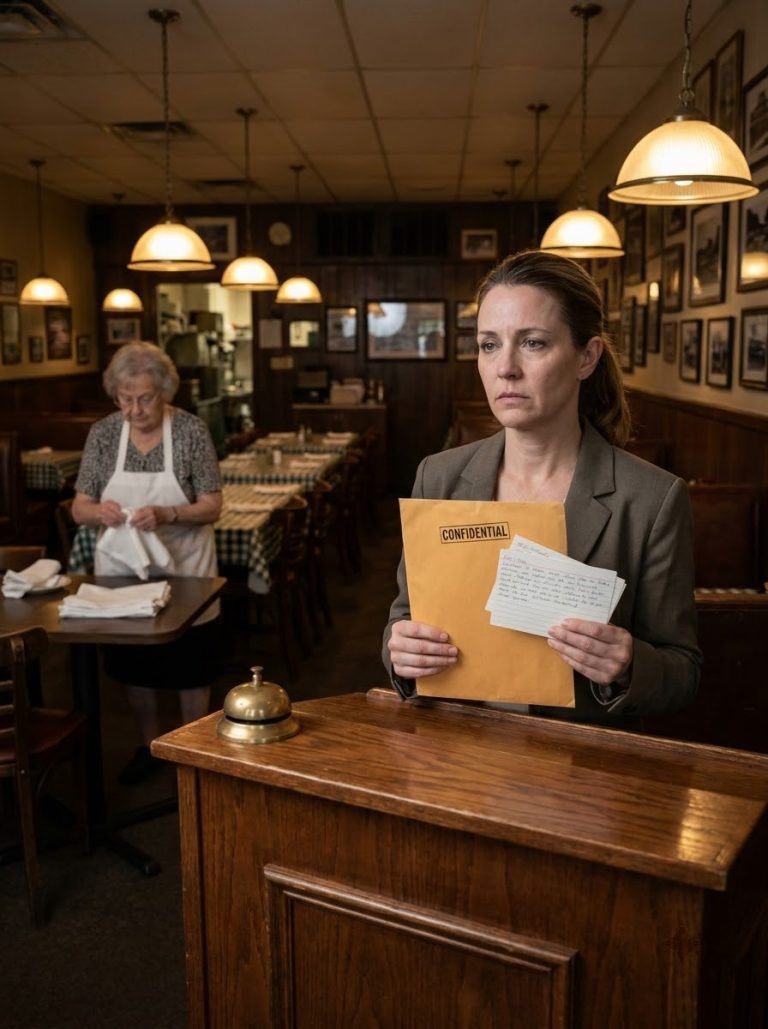
Three Men Proposed to Eve Calloway, and Every One of Them Lost Their Memories Days Later

Chapter 1: The Data
Eve Calloway did not sleep that night.
She sat at her kitchen table with her laptop open, the same laptop she used for lecture notes and grant proposals, and began to type. Not as a teacher. As a biologist. As a woman who had been trained to see patterns in chaos.
She typed the names first.
Samuel Chen. Proposal date: October 12, 2022. Location: Stowe, Vermont. Drink: Mulled wine. Result: Total memory loss within 48 hours. Currently: Partial recovery. Recognizes family members. Cannot form new memories.
Thomas Whitfield. Proposal date: April 8, 2023. Location: Willamette Valley, Oregon. Drink: Pinot noir tasting flight. Result: Total memory loss within 72 hours. Currently: Recognizes mother. Cannot recall events from the past five years.
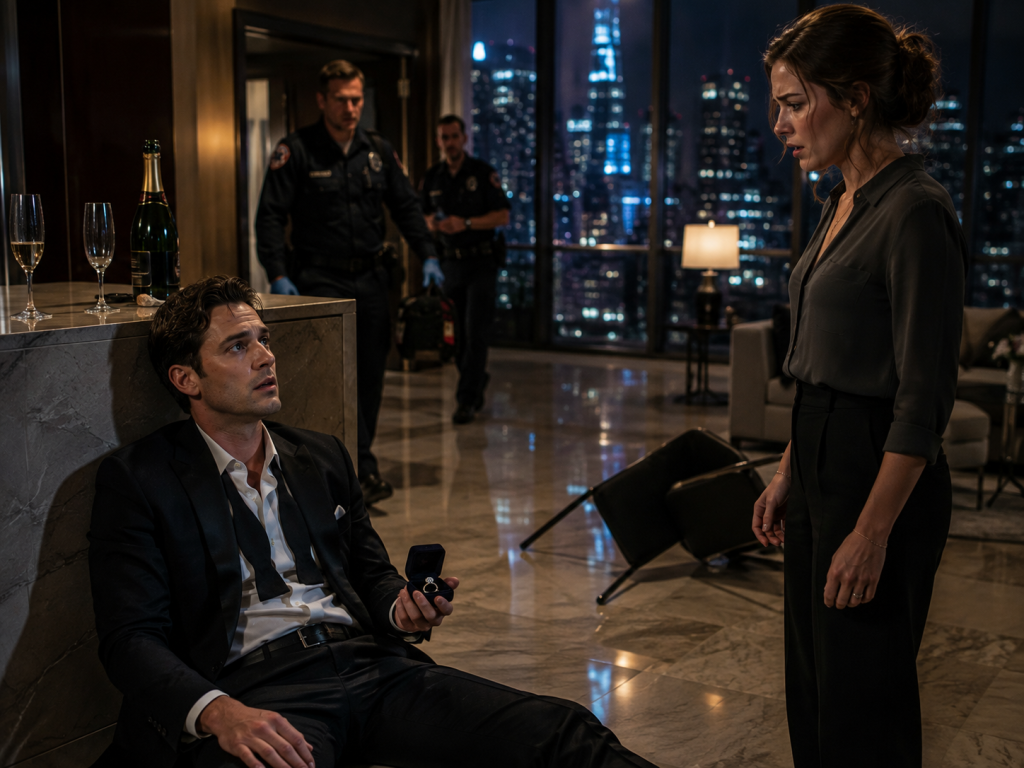
Julian Hart. Proposal date: November 3, 2024. Location: Millbrook, Connecticut. Drink: Champagne served by housekeeper. Result: Total memory loss within 24 hours. Currently: Hospitalized. No recognition of any family members. Cannot speak in full sentences.
She stared at the screen.
Her fingers trembled above the keyboard.
She typed the common factors.
All three men proposed marriage. All three consumed a drink immediately before or during the proposal. All three drank the full serving. I drank little or nothing. All three experienced symptoms within 24–72 hours.
She set her hands flat on the table.
The furnace clicked on in the basement. The cottage settled around her. Eve did not notice. She was looking at the screen, and the screen was looking back at her with the cold, irrefutable logic of data.
She was not cursed.
She was the control group.
Someone had been dosing the men. Not her. The men. And they had been doing it for three years, moving through the spaces of her life with the precision of a surgeon and the patience of a predator.
She typed again.
Who was present at each proposal?
She wrote the answer before she had fully formed the thought.
Vermont: The inn staff. The sommelier. No one known to me.
Oregon: The vineyard staff. The tasting room manager. A woman who offered a “special reserve” from a private bottle.
Julian’s penthouse: The housekeeper. A woman named Margaret.
The cursor blinked.
Eve looked at the two words she had written without realizing it.
Margaret. The vineyard. A woman who offered a special reserve.
She did not know the woman’s face. She had seen her at Julian’s penthouse only in passing—a woman of perhaps sixty, with the careful posture of someone who had spent decades in service, her gray hair pinned back, her cardigan the same shade of gray as Eve’s own. She had been unremarkable. The kind of woman you see and immediately forget. The kind of woman who pours champagne and disappears.
Eve closed the laptop.
The furnace clicked off. The cottage plunged into silence. She sat there in the dark, breathing, her heart beating against her ribs like a fist against a locked door.
She was not afraid of the dark.
She was afraid of what the light would show her.
Chapter 2: The New Teacher
Leo Brennan lived in a rented studio above the Millbrook post office. It was a spare, orderly space—a bed, a desk, a shelf of books arranged alphabetically by author. The only decoration was a photograph of a girl of nineteen, her hair in a ponytail, her smile wide and unguarded, her arm around a younger Leo.
He looked at the photograph every morning.
He did not pray. He did not speak to the dead. He simply looked, and the looking was its own kind of ritual.
The morning after his conversation with Eve, he arrived at the Academy before the first bell. The November cold was sharp, the frost on the playing fields glinting under the pale morning sun. He stood by the main entrance, watching the students file in from the parking lot, their breath clouding in the cold air.
Patricia Mills was already at her post by the faculty lounge door. She watched Leo approach with the wariness of a woman who had learned to read threat in the smallest deviations from routine.
“Mr. Brennan.”
“Mrs. Mills.”
“You’re early.”
“So are you.”
Her mouth tightened. She was not accustomed to being observed.
“I heard you were speaking with the biology teacher yesterday. After school. In the empty lab.”
Leo met her eyes.
“I was.”
“You should be careful.”
“Why?”
The question was simple. Too simple. It was not a challenge. It was a request for information. And Patricia Mills, who had spent her life trading in the currency of information, did not know how to refuse it.
“That woman has a history. Three men. Three. You don’t find that curious?”
“I find it very curious.”
He did not elaborate. The silence between them filled with everything he was not saying.
Patricia’s eyes narrowed.
“You teach literature, Mr. Brennan. You teach stories. I teach facts. And the facts are these: three men proposed to Eve Calloway. Three men lost their minds. If you want to be the fourth, that is your business. But do not say you were not warned.”
She turned and walked into the lounge.
Leo stood by the entrance for a long moment. The students flowed around him. He was thinking about the word facts. Patricia Mills used it the way a politician uses a slogan—as a shield, as a weapon, as a way to stop thinking.
He had spent his life teaching stories. And stories, he knew, were not the opposite of facts. They were how facts were hidden. Or revealed.
He touched his coat pocket.
The photograph was not there. He did not need it. The stone was always there.
He walked toward the biology lab.
Chapter 3: The Pattern
Eve did not go to the faculty lounge that morning. She went straight to the lab, unlocked the door, and began arranging the equipment for the day’s lesson. The routine was automatic. Beakers. Slides. The microscope she had not used in weeks.
Her hands moved. Her mind was elsewhere.
She was thinking about the woman called Margaret.
She had called Julian’s sister that morning, before dawn, her voice low and careful. The sister had been at the hospital, exhausted, her words slurred with sleeplessness.
“The housekeeper. The one who poured the champagne. Where did Julian find her?”
“A service. Elite Domestic Staffing in Hartford. She came highly recommended. Why?”
“Did she come to the hospital?”
“Once. She brought tea. Said it was herbal. Said it would help. The doctors sent her away.”
“What did she look like?”
“I don’t know. Sixties. Gray hair. Quiet. Like every other housekeeper.”
Like every other housekeeper. The phrase lodged in Eve’s mind like a splinter. It was the perfect description of someone designed to be invisible. In Connecticut, housekeepers were everywhere—hundreds of them, with their gray cardigans and their sensible shoes and their faces worn smooth by decades of polite service. You saw them without seeing them. You passed them without remembering.
It was not a disguise. It was a camouflage so complete that it did not need to hide.
The door opened.
Leo stepped inside, a folded printout in his hand. He did not greet her. He simply placed the paper on the bench between them.
“Page three.”
Eve opened it. The article was from a local news site, a small piece tucked between a zoning board dispute and an advertisement for a new yoga studio. The headline read: “Toxic Plant Expert Consulted in Hartford Poisoning Case.”
She read it twice.
“It doesn’t name her.”
“No. But it names the compound. A neurotoxic alkaloid derived from Datura stramonium. Commonly known as—”
“Jimsonweed.”
Leo nodded.
Eve’s fingers tightened on the printout. She knew the plant. Every biologist in the country knew it. It grew wild by the roadside, its trumpet-shaped flowers a pale, deceiving white. In small doses, it caused confusion, memory loss, a dreamlike detachment from reality. In larger doses, it could erase a mind completely.
“It’s not a curse,” she said.
Her voice was barely above a whisper.
“No. It’s a recipe.”
Leo pulled a stool from the adjacent bench and sat down. His movements were deliberate, unhurried. He was a man who had learned that rushing did not make difficult things easier.
“Two things don’t fit,” he said. “The first: why would a random housekeeper target three specific men, across three different states, over three years?”
Eve looked at him.
“The second?”
“If she wanted to hurt you, why not poison you? Why the men? Why leave you untouched?”
The question hung in the air between them. It was the same question that had been circling in Eve’s mind all night, the question that made the pattern both clearer and more terrifying.
“Because she didn’t want to hurt me,” Eve said slowly. “She wanted to isolate me. To make me untouchable. To make sure no one would ever—”
She stopped.
“Ever what?”
“Ever love me.”
The words fell out of her like stones. She had not meant to say them. She had not meant to admit, even to herself, that this was the shape of the wound. But there it was. Three men had loved her. Three men had been destroyed. And she had been left standing, alone, in a town that believed she was the instrument of their destruction.
It was not a curse.
It was a punishment.
But for what?
Leo leaned back on his stool. The fluorescent light buzzed overhead. Outside, the first bell rang, and the corridor filled with the sound of footsteps and young voices. But inside the lab, the silence was absolute.
“We need to find her,” he said.
Chapter 4: The Woman at the Agency
Elite Domestic Staffing operated out of a small office on Asylum Avenue in Hartford, sandwiched between a dry cleaner and a storefront church. The sign on the door was modest, understated, the kind of sign designed to attract the sort of client who wanted discretion above all else.
Eve and Leo arrived at noon, when the November sun was pale and thin, casting long shadows across the sidewalk. The receptionist was a young woman with a phone headset and a smile that stopped at the corners of her mouth.
“Welcome to Elite. How can I help you?”
“We’re looking for a woman who worked for a client of yours,” Leo said. “Julian Hart. She was his housekeeper.”
The receptionist’s smile did not change. But her fingers, which had been typing, went still.
“I’m sorry. We can’t disclose information about our employees.”
“Of course.” Leo’s voice was smooth, unhurried. “We’re not asking for a disclosure. We’re asking for a name. She was recommended to us by a friend. We’d like to hire her.”
The lie was practiced, easy. Leo had learned to lie in the way that honest men lie—not to deceive, but to protect.
The receptionist studied him. Then she looked at Eve. Something flickered in her eyes. Recognition? Concern? It was gone before Eve could name it.
“The woman who worked for Mr. Hart is no longer with the agency.”
“Where did she go?”
“I don’t know. She left. She was here for many years. Then one day, she was not. That’s how it is with housekeepers.”
She looked up one more time, and her eyes met Eve’s directly.
“You should go home, Dr. Calloway. Some things are not worth finding.”
The use of her name sent a chill down Eve’s spine. She had not introduced herself. She was not wearing her faculty ID.
But the receptionist knew.
And she was warning her.
Chapter 5: The Stone in the Pocket
They sat in a diner three blocks from the agency, drinking coffee that had been on the burner too long. The diner was loud with the clatter of plates and the chatter of the lunch crowd, but the noise was a comfort. It meant no one could hear them.
“She knew who I was,” Eve said.
“Yes.”
“How?”
Leo set down his coffee cup.
“Because you look like someone. Someone she used to know.”
Eve’s hand stopped mid-reach for the sugar.
“What do you mean?”
Leo reached into his pocket and pulled out a small, worn photograph. It was not the one of his sister. It was a photograph of a woman in her twenties, her face broad and open, her smile wide and unguarded.
“My mother,” he said. “She died when I was twelve. I carried this photograph for years, thinking it would help me remember her. But photographs don’t help you remember. They just show you what you’ve already lost.”
He put the photograph on the table between them.
“I came to this school because I was running away from something. I don’t know what I was running from. Maybe the memory of my sister. Maybe the fact that I couldn’t save her. But I’ve been here three weeks, and I’ve watched you walk through those corridors every day, and I’ve seen the way people look at you.”
He paused.
“They look at you the way people looked at me after my sister died. Like grief was contagious. Like if they got too close, they might catch it.”
Eve’s eyes were on the photograph. She was not looking at Leo’s mother. She was looking at the smile.
“My mother has the same smile,” she said.
Leo waited.
“The gap in the front teeth. She calls it a Calloway trademark. She says I inherited it.”
She looked up at him.
“Why are you helping me?”
The question was raw. It was the question of a woman who had been taught, by three years of isolation, that help was not something that came without a price.
Leo picked up the photograph. He put it back in his pocket.
“Because my sister needed someone to help her. And I couldn’t. And I’ve been carrying that failure for ten years.”
He met her eyes.
“Maybe this time, I can do something.”
The noise of the diner filled the silence between them. But it was not an empty silence. It was the silence of two people who had recognized something in each other—a shared familiarity with loss, a shared refusal to let it win.
Chapter 6: The Mother’s Secret
The call came at midnight.
Eve was not asleep. She had not slept properly in three years. She lay in her bed, staring at the ceiling, her mind running through the data points again and again like a looped recording. The phone vibrated against the nightstand. The screen showed a number she had not called in eight months.
“Mom?”
“Eve. Come home.”
The voice was strained. Not panicked. Not angry. Just tight, the way a rope is tight before it snaps.
“What happened?”
“Nothing happened. I just—I need to tell you something. About your father.”
Eve sat up. The darkness of her cottage pressed against her like a held breath.
“Tell me now.”
“Not on the phone. Come home.”
The line went dead.
Portland, Maine, was a three-hour drive from Millbrook. Eve took the highway at dawn, her laptop in her bag, the printout about the Hartford poisoning case folded between its pages. She watched the Connecticut suburbs give way to the bare, gray woods of Massachusetts, the occasional frozen pond flashing between the trees like a cold mirror.
Her mother lived in a small house on the coast, a house that had been built by Eve’s father before he died. It was a modest place—two bedrooms, a kitchen, a porch that looked out over the gray Atlantic. The garden had been her mother’s pride once. Now it was just a collection of things that had not quite died.
Her mother was waiting on the porch.
She was a small woman, smaller than Eve remembered, her face lined with decades of salt wind and sorrow. Her hands were folded in her lap, and her eyes were fixed on the road as if she had been watching for Eve’s arrival for hours.
“Come inside.”
They sat in the living room, on opposite sides of a low coffee table. The room was unchanged from Eve’s childhood—the same faded curtains, the same photograph of her father on the mantel, the same smell of sea salt and old wood.
“You said you needed to tell me about Dad.”
Her mother’s hands tightened in her lap.
“Before your father married me, there was another woman. A woman named Florence.”
Eve felt the name settle into her chest like a cold stone.
“Florence?”
“Florence Adair. She was in love with your father. She believed he would marry her. But he chose me instead.”
The room was very still.
“She didn’t take it well?”
“She stood in the middle of the church parking lot and screamed at me. She said I would never know peace. She said my children would suffer for what I had stolen from her.”
Eve’s throat was dry.
“You never told me this.”
“I thought it was just words. I thought she would forget. She left town. No one knew where she went. I didn’t think about her for years.”
Her mother’s eyes lifted. They were wet but not spilling.
“Then, when you were a baby, she came back. She saw a photograph of you. She said—”
Her voice broke.
“She said you looked exactly like me. She said she would wait. She said by the time she was finished, no one would ever want you.”
Eve’s hands were shaking.
“Margaret. The housekeeper. Her real name is Florence Adair.”
The color drained from her mother’s face.
“Forty years,” Eve said. “She waited forty years.”
Her mother opened her mouth. No sound came out. She closed it. She opened it again. And then she began to cry—not the silent weeping of Eve’s kitchen nights, but the raw, heaving sobs of a woman who had just learned that a threat she had dismissed as empty words had been growing, slowly, patiently, into a monster.
Eve did not cry.
She was past crying.
She was thinking about the photograph of her father on the mantel. She was thinking about a woman who had loved him and lost him. She was thinking about a grudge that had been nursed for four decades, fed by the sight of a daughter who looked exactly like the woman who had won.
And she was thinking about what she was going to do next.
Chapter 7: The Sting
Leo arrived in Portland the next morning. He did not ask why Eve had left without telling him. He did not ask for an explanation. He simply walked through the door of her mother’s house, nodded at the older woman with the respect of a man who had been raised properly, and set a small device on the table.
“A voice recorder. Small enough to fit in a coat pocket.”
Eve looked at it.
“You want me to wear a wire.”
“I want you to get a confession. There’s not enough evidence to arrest her. The news article doesn’t name her. The agency won’t testify. Your data is a theory, not a case file.”
He tapped the recorder.
“This is the case file.”
The plan was simple. Simple did not mean easy.
Eve would go to the address the agency had reluctantly provided—a small apartment in Hartford. She would find Florence Adair. She would confront her, alone, with the recorder in her pocket. She would get her to admit what she had done.
“You don’t have to do this,” Leo said.
The words were quiet. They were not a command. They were not a judgment. They were a door, left open, for her to walk through if she chose.
Eve picked up the recorder.
“Yes, I do.”
The apartment was in a brick building on the south side of Hartford, a neighborhood of narrow streets and old trees. Eve parked across the street and sat in the car for a long moment, her hand on the recorder in her pocket.
The building was quiet. The hallway smelled of cooked cabbage and old carpet. Apartment 3B was at the end of the corridor.
Eve knocked.
The door opened.
Florence Adair was exactly as Eve remembered her from Julian’s penthouse—sixty, gray-haired, her cardigan the same shade of gray as Eve’s own. She did not look surprised. She did not look afraid. She looked like a woman who had been waiting.
“I wondered when you would come.”
Her voice was calm. Too calm. The voice of a woman who had rehearsed this moment.
Eve’s hand went to her pocket. She pressed the record button.
“You know who I am.”
Florence stepped aside, gesturing for Eve to enter. The apartment was small and immaculate—a sofa, a bookshelf, a kitchen with a single cup drying on the rack. The only decoration was a photograph on the bookshelf. A photograph of a man.
Eve’s father.
“You look just like her,” Florence said. “The same face. The same gap in your teeth. When I saw that photograph of you as a baby, I knew. I knew you would grow up to be her. And I knew what I had to do.”
“The men. Samuel, Thomas, Julian. You poisoned them.”
Florence’s expression did not change.
“I did not poison them. I offered them a drink. They chose to drink it.”
The words were delivered without emotion. Without regret. Without the slightest acknowledgment that she was describing the destruction of three human minds.
“Jimsonweed,” Eve said. “From the Datura plant. You put it in the mulled wine. In the tasting flight. In the champagne.”
“I was a chemist before I was a housekeeper. Did you know that? Your father never told you, I’m sure. He didn’t tell anyone. He didn’t want anyone to know he had been engaged to a woman who worked in a lab.”
She paused.
“You understand dosage. Too much, and they die. Too little, and nothing happens. But the right amount…”
She picked up the photograph from the bookshelf.
“The right amount makes them forget. Forget their names. Forget their mothers. Forget you.”
“Why?”
The word came out harder than Eve intended. It was not a question. It was a demand.
Florence set down the photograph.
“Your mother stole my life. Forty years ago, your father was going to marry me. ME. And then she came. With her gap-toothed smile. With her soft voice. And he chose her.”
Her voice was rising now, cracking at the edges.
“I waited. I told myself it wasn’t the child I hated. But then you grew up. And you started living the life I was supposed to have. The proposals. The happiness. You wanted to take it from me. Just like she did.”
“Forty years,” Eve said. “You waited forty years.”
“I never stopped.”
The words hung in the air between them. Simple. Absolute. The confession of a woman who had spent four decades nursing a hatred so pure, so patient, that it had become the only thing she had left.
“What about the men? They never did anything to you.”
Florence’s expression did not change.
“They were in the way.”
Eve’s hand was steady on the recorder. But her heart was pounding against her ribs.
“You were the housekeeper. The sommelier. The woman with the private bottle. You were always there. Right in front of me. And I never saw you.”
“No one ever sees me.” Florence’s mouth curved into something that was not quite a smile. “That is the point.”
Chapter 8: The Confession
The police arrived within the hour.
They came in two cruisers, their lights cutting through the gray November afternoon, their presence drawing curtains open along the quiet street. Leo had called them from a payphone two blocks away, his voice calm and precise, the voice of a man who had been waiting for this moment for a long time.
Florence did not run.
She stood in her living room, her hands still, her expression unchanged. She watched the officers approach through the window with the detachment of a woman who had always known this day would come.
“Florence Adair?”
She did not answer. She did not need to. The recorder in Eve’s pocket had already said everything.
The lead detective, a tired-looking woman with gray at her temples, listened to the recording in silence. When it finished, she looked at Florence. Then she looked at Eve.
“Where are the men now?”
“Hospitals,” Eve said. “Three of them. Two in Connecticut, one in Oregon.”
“And the substances?”
“She can tell you where she got them. She can tell you what she used. She can tell you everything.”
The detective nodded. She gestured to the officers. They moved toward Florence, and she did not resist. She did not speak. She simply walked between them, her gray cardigan buttoned to the throat, her eyes fixed on some point in the distance that only she could see.
As she passed Eve, she stopped.
The officers tensed. But Florence did not move toward her. She simply looked at her—a long, slow look that seemed to take in every detail of her face.
“You have her smile,” she said. “The gap in the teeth. I used to dream about breaking it.”
Then she turned and walked toward the patrol car.
Eve did not move. She stood in the middle of the apartment, the recorder still in her pocket, the afternoon light pressing through the window like a cold hand. She did not feel triumph. She did not feel relief. She felt hollow, the way a tree feels hollow after the termites have been cleared out.
Leo appeared beside her.
“It’s done.”
She looked at him.
“No. It’s not.”
Chapter 9: The Formulations
The interrogation room at the Hartford Police Department was small and windowless, lit by a single fluorescent tube that buzzed with the particular irritation of dying electronics. Florence Adair sat at a metal table, her hands cuffed in front of her, her expression unchanged.
She had been there for three hours.
She had not spoken a word.
Eve watched through the one-way glass. Beside her, the detective—her name was Russo—shook her head.
“She won’t talk. We have the recording. We have enough to charge her. But without the formulations—”
“Without the formulations, the doctors can’t treat the men.”
Detective Russo did not deny it. She was a woman who had seen too many cases end in the gray space between knowing and proving. She knew that justice without remedy was only half justice.
“Let me talk to her.”
The detective looked at her.
“You’re not a police officer.”
“I’m the woman she’s been trying to destroy for three years. She’ll talk to me.”
The room was cold. The heater in the corner rattled, doing more to generate noise than warmth. Eve sat down across from Florence, the metal table between them, the fluorescent light flickering overhead.
Florence looked at her.
“Did you come to gloat?”
“No.”
“Then why?”
Eve leaned forward. Her hands were on the table. They were steady.
“Because three men are lying in hospital beds. Three men who never did anything to you. Three men who loved me. And if you don’t give me the formulations, they will never recover.”
Florence’s expression flickered. Just for a moment. Just at the word love.
“You think love is a gift,” she said. “It is not. It is a theft. Every time someone loves, they take that love from someone else. Your father took his love from me. Your mother stole it. And now you—”
“I didn’t steal anything. I wasn’t even born.”
“You were born with her face.”
The words were bitter. But there was something else beneath them. Something that sounded almost like exhaustion.
Eve saw it.
“You’re tired, Florence. You’ve been carrying this for forty years. It must be heavy.”
Florence’s jaw tightened.
“You don’t know what heavy is.”
“Then tell me.”
The silence stretched between them. The fluorescent light buzzed. The heater rattled. And then, slowly, Florence began to speak.
She spoke about 1984. About a man who had promised to marry her, who had walked with her through the university campus, who had held her hand under the old oak behind the chemistry building. She spoke about the day he told her he had chosen someone else. She spoke about the wedding she had not been invited to, the children she had not had, the life she had not lived.
She spoke in the voice of a woman who had been telling herself the same story for forty years, and who had worn it so smooth with repetition that it had become the only truth she knew.
When she finished, she was crying.
Eve had not moved.
“The formulations,” she said.
Florence wiped her eyes with the back of her cuffed hand.
“There is a notebook. In my apartment. Behind the bookshelf. Everything is in it. The plants. The dosages. The antidotes.”
She looked at Eve, and for the first time, her eyes were not flat. They were full of something that might have been regret, or might have been simply the exhaustion of a hatred that had finally burned itself out.
“They will not recover completely. The one called Julian. Too much time passed. Too much damage. But the others…”
She looked down at the table.
“Tell them I am sorry. They will not believe it. But tell them anyway.”
Eve stood up.
She walked to the door. She stopped with her hand on the handle.
“Florence.”
The woman looked up.
“I am not my mother. And you are not your hatred. But you made your choice. And now you have to live with it.”
She opened the door and walked out.
Chapter 10: The Recovery
The notebook was exactly where Florence had said it would be.
It was a small, leather-bound book, its pages yellowed with age, its spine cracked from years of use. The handwriting was cramped and precise, the handwriting of a woman who had devoted her life to a single, terrible purpose. There were diagrams of plants. Tables of dosages. Notes on timing and administration. And at the back, written in a different ink, as if added later, as if added reluctantly: the antidotes.
Eve delivered the notebook to the doctors herself.
She did not sleep for two days. She sat in the hospital waiting rooms, in Hartford, in Portland, watching the fluorescent lights flicker overhead, watching the nurses move through the corridors with their clipboards and their quiet shoes. Leo sat beside her. He did not speak much. He did not need to.
The first sign of recovery came on the third day.
Samuel Chen opened his eyes and recognized his mother.
It was a small thing—a flicker of recognition, a name spoken in a voice that had been silent for two years. But it was enough. The doctors called it “like dawn breaking after a long night—slow at first.” Eve called it a miracle, and she was a woman who did not believe in miracles.
Thomas Whitfield recovered more slowly. He remembered his mother first, then his name, then the town where he had grown up. But the five years before his proposal were gone. They would not come back. The doctors said the damage to his hippocampus was too extensive. He would live. He would function. But the man who had fallen in love with Eve Calloway in a vineyard in Oregon was gone forever.
Julian Hart did not recover.
He sat in his hospital bed, staring at the wall, his eyes open but unseeing. The doctors tried everything. The antidotes. The therapy. The prayers his mother whispered over his bed every night. Nothing worked. The poison had been too strong, or the time before treatment had been too long, or some combination of factors that no textbook could fully explain.
Eve visited him once.
She stood in the doorway of his room, watching the rise and fall of his chest, watching his mother sit beside him with a hand on his arm. She did not go in. She did not know what she would say. She did not know if there was anything to say.
She turned and walked away.
Leo was waiting in the corridor.
“You couldn’t have saved him.”
“I know.”
“Do you?”
She stopped. The corridor was long and white and empty, stretching in both directions like a question with no answer.
“I should have seen it sooner. Three years. Three men. I should have—”
“You should have what? You didn’t know. You couldn’t have known.”
She looked at him. His eyes were steady. They were always steady. It was the thing she had noticed first about him, the thing that made her trust him when she had learned to trust no one.
“Thank you,” she said.
“For what?”
“For not believing the stories.”
He touched his pocket. The gesture was automatic, unconscious. The stone was still there. But it felt lighter than it had in years.
“I don’t believe in curses,” he said. “I believe in patterns. And I believe in people who are brave enough to find them.”
He held out his hand.
She took it.
Chapter 11: The Tuesday Evening
They were married on a Tuesday.
Not in a church. Not in a hall filled with guests and flowers and the careful performance of joy. They were married in the Millbrook town clerk’s office, on a Tuesday evening, with the November wind rattling the windows and the radiators hissing in the background. The officiant was a justice of the peace, a tired man with kind eyes who had performed four hundred weddings and had learned to tell the real ones from the performances.
Eve wore a gray dress. Not white. Gray. The color of her cardigan on the day she had walked into the faculty lounge and found the silence waiting for her.
Leo wore a simple shirt, the sleeves rolled up, the pocket over his chest empty for the first time in years.
There were no guests. Eve’s mother was in Portland, too frail to travel. Leo’s family was in Boston, too far, too busy, too uncertain about this woman they had heard rumors about.
It did not matter.
The justice of the peace spoke the words. Eve spoke them back. Leo spoke them back. And then the justice closed his book, smiled his tired smile, and said:
“You may kiss.”
They did not.
Instead, Eve reached up and touched Leo’s face. Her fingers brushed his cheek, his jaw, the corner of his mouth. She was not checking that he was real. She was memorizing him. Every detail. Every line. Every inch of the face of the man who had looked at her and seen a person instead of a curse.
“Thank you,” she said.
“You already said that.”
“I meant it.”
He took her hand. His fingers were warm. Solid. Real.
“I know.”
They stood there in the small office, the radiators hissing, the wind rattling the windows, the world outside going about its business. And for the first time in three years, Eve Calloway smiled.
It was a gap-toothed smile. The smile her mother had always called a Calloway trademark.
She had not smiled like that in a long time.
She had almost forgotten she could.
Chapter 12: The Final Image
The winter ended in late March, as it always did, the snow melting, the ground softening, the sun returning to the sky with the particular brilliance of a light that had been missed.
Eve stood at the window of her classroom, looking out at the playing fields. The students were filing in from lunch, their coats unbuttoned, their faces turned toward the thin spring sun. The oaks by the main gate were beginning to bud, their branches tipped with the palest green.
The faculty lounge was different now.
Patricia Mills still held her private conversations. Martin Fletcher still collected scandals. But the subject of their whispers had shifted. Eve was no longer the woman to avoid. She was the woman who had survived. The woman who had uncovered the truth. The woman who had proven that what they called a curse was, in fact, a crime.
They did not apologize. They did not admit they had been wrong. But they stopped whispering when she walked into the room. And that, for now, was enough.
Leo was waiting for her by the main gate.
He was leaning against the wrought iron, his hands in his pockets, his face tilted toward the afternoon sun. He looked different now. Lighter. The stone in his pocket was still there—it would always be there—but it no longer weighed him down. It was a memory now, not a burden.
“Ready?”
She nodded.
They walked together through the Millbrook streets, past the white church where the town had once whispered prayers, past the coffee shop where the rumors had first spread, past the old oaks and the brick sidewalks and the houses with their curtains drawn. The town was the same as it had always been. But Eve was not.
She was not the woman who had wept in her kitchen.
She was not the woman who had been too afraid to look at the data.
She was not the woman who had believed, even for a moment, that she deserved to be alone.
She was Eve Calloway. Research biologist. Teacher. Wife. Survivor.
And she was not afraid anymore.
They turned onto Cedar Lane. The cottage was ahead, its windows glowing gold in the late afternoon light. Inside, there would be dinner to cook, papers to grade, a life to build. There would be difficult days. There would be memories that surfaced without warning, sharp as broken glass. There would be the ghost of Julian, sitting in his hospital bed, staring at a wall.
But there would also be this: a man who walked beside her, a cottage that was hers, a future that was not defined by what had been done to her but by what she chose to do next.
She stopped at the door.
Leo looked at her.
“What is it?”
She turned and looked back at the street. The sun was setting over Millbrook, the sky a deep, burning orange, the color of the inside of a kiln. The oaks were turning black against the light. The air was cool and clean, the first evening that truly felt like spring.
“I want to remember this,” she said.
He did not ask what she meant. He understood. He had spent years carrying a photograph of a woman he could not remember. He knew that some moments were too precious to trust to memory alone.
So he stood beside her, in the doorway of their cottage, and watched the sun set over the town that had once called her a curse.
The light faded.
The streetlights came on, one by one, yellow pools of light against the darkening earth.
Eve took Leo’s hand.
“Let’s go inside.”
They closed the door.
And somewhere in the distance, a bird called out across the evening quiet—a single, clear note, rising into the spring air.
Everything was going to be remembered.