My Sister Promised My Grandmother’s China to My Niece—Then Asked Why I Needed to Keep It at All

PART 3
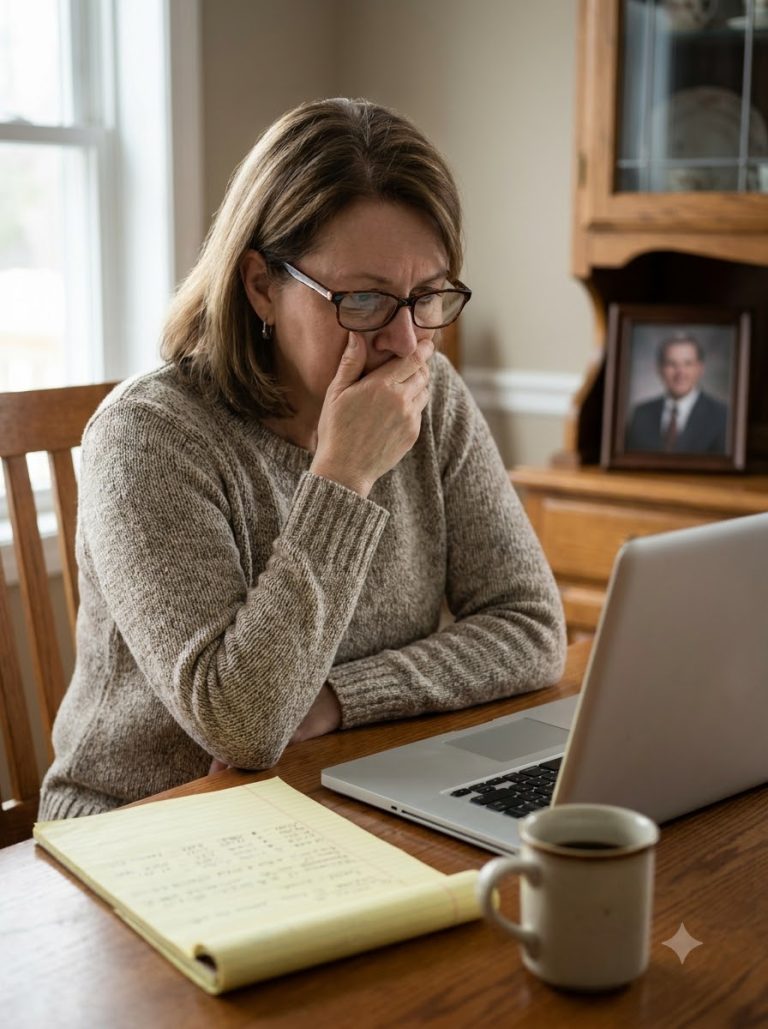
Erin sat in the gas-station parking lot for another minute after the call ended.
A pickup truck pulled into the space beside her. A man in a reflective work shirt climbed out, nodded politely, and went inside for coffee. The world continued with offensive normality.
She looked at the crates in the back.
You don’t have anyone to leave it to.
Diane had not said, You don’t have children.
She had not needed to.
Erin was fifty-five. She had never married. She had never had children. Those facts were not secrets, tragedies, or unfinished paperwork. They were parts of her life, like the small house she had bought at thirty-eight and the office-manager job at Bellamy Plumbing Supply where she knew which vendors would answer before eight and which salesmen needed two reminders before they submitted expense receipts.
Her family called her independent.
Usually they meant it kindly.
Independent Erin could host Thanksgiving because she did not have to divide holidays between in-laws. Independent Erin could take Aunt Ruth to an appointment on a weekday because her schedule was “more flexible,” even when it was not. Independent Erin could keep Grandma’s china because she had room and took care of things.
Apparently keeping had acquired an expiration date.
At home she carried the boxes into the dining room one at a time.
The room was small. Six people fit comfortably if nobody objected to touching chair backs. The hutch stood against one wall, a secondhand piece Erin had painted dark green after her mother told her the color would make the room gloomy.
It had not.
Erin unpacked the plates.
One by one, blue rims appeared from white sleeves.
She ran her thumb over a tiny nick on one dinner plate. She knew exactly when it happened. Sophie had been eight, eating mashed potatoes at Erin’s house during a snowstorm, and had knocked the plate against the faucet while insisting she was old enough to rinse her own dish.
Diane had been furious.
Grandma Ruth had laughed.
“Now it belongs to somebody,” she had said.
Erin put the plate in the hutch.
Her phone buzzed.
Sophie: I’m really sorry. I honestly thought you offered them.
Erin typed: I know.
Three dots appeared.
Sophie: Mom has said for years that some things would come to Grace and me someday. I never knew what was actual and what was Mom planning.
Erin stared at the message.
She typed: What things?
Then deleted it.
She did not want to interview her niece like a witness.
Instead she wrote: We can talk later. Enjoy being engaged. That part is supposed to be fun.
Sophie replied with a heart, then: It mostly is except seating charts and my mother.
That made Erin laugh.
The doorbell rang at six.
Val Brooks stood on the porch holding two takeout bags.
“You sounded dangerous on the phone,” Val said. “I brought noodles.”
Val had been Erin’s friend since a workplace safety seminar fifteen years earlier, when they had both been trapped at a table with a man who believed every personal story required an eight-minute preface. Val now managed a dental laboratory and possessed the useful habit of not turning every bad day into a diagnosis.
She followed Erin into the dining room and stopped.
“That’s a lot of china.”
“My sister gave it away.”
Val put down the bags.
“To whom?”
“Sophie.”
“Does Sophie know she’s a criminal?”
“Apparently she was operating under false authority.”
Val looked at the open hutch. “Are we calling the plate police?”
“No.”
“Good. I left my badge at home.”
Erin told her what happened.
Val listened while opening cartons of lo mein and dumplings. When Erin reached Diane’s last sentence, Val’s eyebrows went up.
“She said that exactly?”
“Yes.”
“Interesting.”
“Do not say interesting like you’re about to become my therapist.”
“I was going to say rude.”
“That’s better.”
Val carried the food to the kitchen.
Erin reached automatically for two everyday stoneware plates from the cabinet.
Then she stopped.
Behind her, the blue-rimmed china filled the hutch.
Val noticed.
“What?”
“Nothing.”
“That was an entire face.”
Erin looked at the stoneware in her hands.
“When Grandma gave me the set, I told her I would use it.”
“Do you?”
“Holidays.”
“That is four or five days a year.”
“Sometimes birthdays.”
“Six. Living dangerously.”
Erin set the stoneware back.
She took out two blue-rimmed dinner plates.
Val did not applaud, which was why Erin loved her.
They ate noodles at the dining-room table while a baseball game played quietly in the living room.
Val balanced a dumpling over the plate.
“These are pretty.”
“They’re not dishwasher safe.”
“Neither am I.”
Erin smiled.
After dinner she washed the plates by hand. When she reached for a towel, she noticed the tiny chip on Sophie’s old plate again.
Now it looked less like damage than proof.
Erin opened the cabinet beneath the hutch.
Inside were brass candlesticks from her mother, a crystal bowl she did not like, and a linen tablecloth that required ironing, which was reason enough to distrust it.
For years Diane had joked that Sophie and Grace would have fun “shopping Aunt Erin’s house someday.”
Erin had always rolled her eyes.
She had heard affection in it.
Standing there with damp hands, she heard something else too.
A future inventory.
She closed the cabinet.
“Val?”
“Hmm?”
“Next Friday, come over hungry.”
Val looked toward the kitchen.
“Why?”
“I think the china needs a less important life.”
Val nodded.
“Finally, a cause I can support.”